
Check: High pressure fuel circuit
- Make
- Citroën
- Model
- Evasion Factory Workshop Manual
- Year
- 1994–2002
- Section
- Air and fuel supply › Check: High pressure fuel circuit
Check: High pressure fuel circuit
ESSENTIAL: Observe the safety and cleanliness recommendations.
1. Tooling
| tool | Reference | Designation |
|---|---|---|
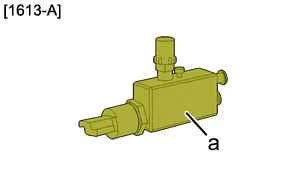
| [1613-A] (kit 1613) | [] dummy high pressure fuel injection rail |
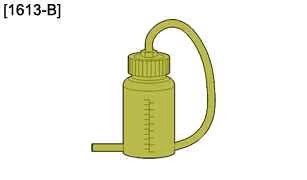
| [1613-B] (kit 1613) | [] fuel decompression container |
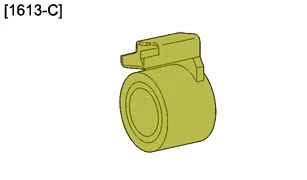
| [1613-C] (kit 1613) | [] dummy flow electrovalve |
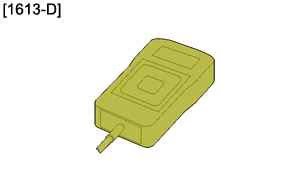
| [1613-D] (kit 1613) | [] fuel pressure display |
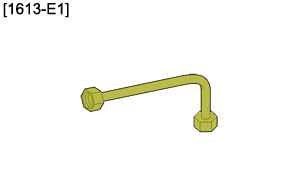
| [1613-E1] (kit 1613) | [] high pressure fuel pipe |
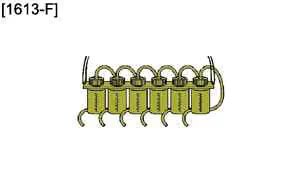
| [1613-F] (kit 1613) | [] containers for return of diesel injector leaks |
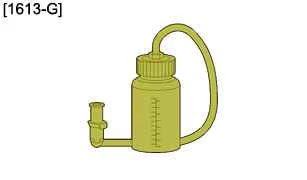
| [1613-G] (kit 1613) | [] container for measuring the high pressure fuel injection pump return flow |
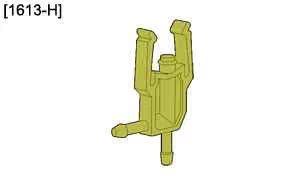
| [1613-H] (kit 1613) | [] union for return of leaks on diesel injector (DELPHI injection) |
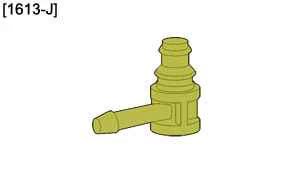
| [1613-J] (kit 1613) | [] union for return of leaks on diesel injector (BOSCH/SIEMENS injection) |
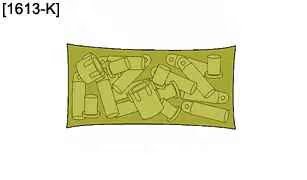
| [1613-K] (kit 1613) | plugs kit |
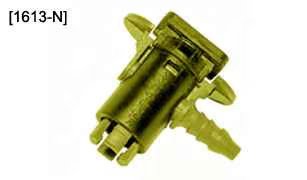
| [1613-N] (kit 1613) | [] union for return of leaks on diesel injector (engine DV6C Euro 5) (SIEMENS injection) |
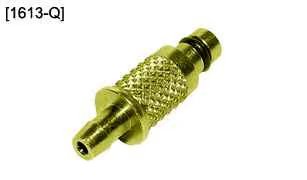
| [1613-Q] (kit 1613/2) | [] union for return of leaks on diesel injector (engine DV Euro 5) (BOSCH injection) |
2. Identification
| Engine code | Factory symbol | Injection system |
|---|---|---|
| DW10 | RHL | SIEMENS |
| RHR | SIEMENS | |
| RHS | BOSCH | |
| RHZ | BOSCH | |
| RHX | BOSCH | |
| RHV | BOSCH / SIEMENS | |
| RHY | BOSCH / SIEMENS | |
| RHS | SIEMENS | |
| DW12 | 4HY | BOSCH |
| 4HW | BOSCH | |
| 4HX | BOSCH | |
| 4HZ | BOSCH | |
| DV4 | 8HX | BOSCH / SIEMENS |
| 8HV | DELPHI | |
| 8HY | BOSCH | |
| 8HZ | BOSCH | |
| 8HU | BOSCH | |
| 8HS | BOSCH | |
| 8HR | BOSCH | |
| 8HP | BOSCH | |
| DV6 | 9HX | BOSCH |
| 9HZ | BOSCH | |
| 9HY | BOSCH | |
| 9HV | BOSCH | |
| 9HT | BOSCH | |
| 9HW | BOSCH | |
| 9HX | BOSCH | |
| 9HT | BOSCH | |
| 9HU | BOSCH | |
| 9HS | BOSCH | |
| 9HR | SIEMENS | |
| 9HL | SIEMENS | |
| 9HE | BOSCH | |
| 9HJ | BOSCH | |
| 9HK | BOSCH | |
| 9HF | BOSCH | |
| 9HP | BOSCH | |
| 9HG | SIEMENS | |
| 9HN | BOSCH | |
| F28 SOFIM | 8140.43S | BOSCH |
| 8140.23 | BOSCH | |
| 8140.43N | BOSCH | |
| DT17 | UHZ | SIEMENS |
3. Preliminary checks
ESSENTIAL: Respect the safety and cleanliness recommendations that are specific to high pressure diesel injection (HDi) engines.
3.1. Electrical circuit
Check:
- The battery charge
- The fault codes using the diagnostic tool
- The fuel high pressure value using the diagnostic tool: Measure parameters
3.2. High pressure environment
Check:
- The quantity of fuel in the tank: 15 litres minimum
- Fuel quality (if in doubt over the fuel quality, use an auxiliary tank with a filter, filled with fuel which you know where it came from)
- The low pressure fuel supply circuit (see the relevant operation)
3.3. Engine operation
Check the camshaft drive (timing belt).
Check the components that could cause lack of engine power:
- Obstructed exhaust
- Clogged air filter
- Clogged fuel filter
4. Injection system BOSCH
4.1. Checking the pressure sensor on the fuel high pressure common injection rail, DW10/DW12 engines (absence of engine starting)
Disconnect the connector of the fuel high pressure sensor.
Operate the starter:
- The engine starts: Replace the fuel high pressure sensor
- The engine will not start: Continue the checking
4.2. Checking the diesel injectors
CAUTION: Do not uncouple the rubber pipes from the diesel injector leak return unions.
Uncouple the diesel injector leak return unions.
Fit the unions of tools [1613-J / 1613-Q] on the diesel injectors (depending on the version).
Couple the containers of tools [1613-F] on the unions of tools [1613-J / 1613-Q] (depending on the version).
Attach the container carrier bar [1613-F] to the engine bonnet.
Operate the starter:
- The engine starts: Allow the engine to idle for 2 minutes
- The engine will not start: Operate the starter motor for 15 seconds
CAUTION: The volume of fuel returning to the diesel injectors is a few millilitres, the volume of fuel returning to the diesel injectors increases as a function of the condition of the engine (wear).
Replace any diesel injectors that have a fuel return flow greater than that for the other injectors.
N.B.: After replacing one or more diesel injectors, do a diesel injectors check.
The functioning of the diesel injectors is correct, Continue the checking.
4.3. Checking the high pressure fuel pump
Disconnect the connector from the camshaft position sensor.
CAUTION: Before slackening, clean the high pressure unions (See the corresponding operation).
Remove the high pressure pipe linking the high pressure fuel pump to the high pressure fuel common injection rail.
Depending on the type of high pressure fuel pump, connect tool [1613-A] with the aid of either tool [1613-E1] or the fuel high pressure pipe already removed.
Couple the container of tool [1613-B] on tool [1613-A].
Connect tool [1613-D] on tool [1613-A].
Fuel pressure control, Using tool [1613-D]:
- Press the test button
- The display on tool [1613-D] indicates the battery charge
- The display on tool [1613-D] indicates the last fuel pressure value tested (for 5 seconds)
- Press the test button and action the starter at the same time
- When the "stop" message appears on the display of the tool [1613-D], stop the action on the starter
- The display on the tool [1613-D] indicates the maximum fuel pressure value (for 5 seconds)
- The display on the tool [1613-D] indicates the residual pressure value
N.B.: The display of tool [1613-D] flashes if the fuel pressure value is higher than 50 bars.
The fuel pressure is higher than 300 bars: Do the preliminary checks once again.
The fuel pressure is lower than 300 bars: Continue the checking.
CAUTION: Open the fuel decompression screw ["a"] before uncoupling tool [1613-A].
4.4. Checking the fuel pressure regulator (If available in replacement parts)
Replace the fuel pressure regulator with a new regulator.
Check the high pressure fuel pump.
The fuel pressure is higher than 300 bars: The original fuel pressure regulator is defective.
The fuel pressure is lower than 300 bars: Replace the high pressure fuel pump.
CAUTION: Replace the high pressure fuel pipe that was removed.
N.B.: If replacing the fuel high pressure pump, do not lose the new regulator.
5. Injection system SIEMENS
5.1. Checking the pressure sensor on the fuel high pressure common injection rail, DW10/DW12 SOFIM engines (absence of engine starting)
Disconnect the connector of the fuel high pressure sensor.
Operate the starter:
- The engine starts: Replace the fuel high pressure sensor
- The engine will not start: Continue the checking
5.2. Checking the diesel injectors
CAUTION: Do not uncouple the rubber pipes from the diesel injector leak return unions.
Uncouple the diesel injector leak return unions.
Fit the unions of tools [1613-J / 1613-N] on the diesel injectors (depending on the version).
Couple the containers of tools [1613-F] on the unions of tools [1613-J / 1613-N] (depending on the version).
Attach the container carrier bar [1613-F] to the engine bonnet.
Operate the starter:
- The engine starts: Allow the engine to idle for 2 minutes
- The engine will not start: Operate the starter motor for 15 seconds
CAUTION: The volume of fuel returning to the diesel injectors is a few millilitres, the volume of fuel returning to the diesel injectors increases as a function of the condition of the engine (wear).
Replace any diesel injectors that have a fuel return flow greater than that for the other injectors.
N.B.: After replacing one or more diesel injectors, do a diesel injectors check.
The functioning of the diesel injectors is correct: Continue the checking.
5.3. Checking the high pressure fuel pump
Disconnect the connector from the camshaft position sensor.
CAUTION: Before slackening, clean the high pressure unions (See the corresponding operation).
Remove the high pressure pipe linking the high pressure fuel pump to the high pressure fuel common injection rail.
Depending on the type of high pressure fuel pump, connect tool [1613-A] with the aid of either tool [1613-E1] or the fuel high pressure pipe already removed.
Couple the container of tool [2] on tool [1613-A].
Connect tool [1613-D] on tool [1613-A].
Fuel pressure control Using tool [1613-D]:
- Press the test button
- The display on tool [1613-D] indicates the battery charge
- The display on tool [1613-D] indicates the last fuel pressure value tested (for 5 seconds)
- Press the test button and action the starter at the same time
- When the "stop" message appears on the display of the tool [1613-D], stop the action on the starter
- The display on the tool [1613-D] indicates the maximum fuel pressure value (for 5 seconds)
- The display on the tool [1613-D] indicates the residual pressure value
N.B.: The display of tool [1613-D] flashes if the fuel pressure value is higher than 50 bars.
The fuel pressure is higher than 300 bars: Do the preliminary checks once again.
The fuel pressure is lower than 300 bars: Replace the high pressure fuel pump.
CAUTION: Open the fuel decompression screw ["a"] before uncoupling tool [1613-A].
CAUTION: Replace the high pressure fuel pipe that was removed.
6. Injection system DELPHI
6.1. Hydraulic balance
Unplug:
- The diesel injectors
- The flow electrovalve
Connect tool [1613-C] in place of the flow electrovalve.
Check the pressure value in parameter measures using the diagnostic tool.
The fuel pressure is higher than 1050 bars: Redo the fuel supply check.
The fuel pressure is lower than 1050 bars: Continue the checking.
6.2. Checking the diesel injectors
CAUTION: Do not uncouple the rubber pipes from the diesel injector leak return unions.
Uncouple the diesel injector leak return unions.
Couple in their place the unions of tools (1613-H).
Couple the containers of tools [1613-F] on the diesel injector leak return unions.
Attach the container carrier bar to the engine bonnet.
Method of operation:
- The engine starts: Using the diagnostic tool, start the leak detection test (1 single cycle)
- The engine will not start: Operate the starter motor for 5 seconds
CAUTION: With the engine running, the maximum volume should not be greater than 37 ml With the engine not running, the return should be less than 10 cm in the connecting pipes.
Replace any diesel injectors that have a fuel return flow greater than 37 ml, or more than 10 cm (engine not running).
N.B.: After replacing one or more diesel injectors, do a diesel injectors check.
The functioning of the diesel injectors is correct, Continue the checking.
6.3. Checking the high pressure fuel pump
Disconnect the connector from the camshaft position sensor.
CAUTION: Before slackening, clean the high pressure unions (See the corresponding operation).
Remove the high pressure pipe linking the high pressure fuel pump to the high pressure fuel common injection rail.
Depending on the type of high pressure fuel pump, connect tool [1613-A] with the aid of either tool [1613-E1] or the fuel high pressure pipe already removed.
Couple the container of tool [1613-B] on tool [1613-A].
Connect tool [1613-D] on tool [1613-A].
Fuel pressure control Using tool [1613-D]:
- Press the test button
- The display on tool [1613-D] indicates the battery charge
- The display on tool [1613-D] indicates the last fuel pressure value tested (for 5 seconds)
- Press the test button and action the starter at the same time
- When the "stop" message appears on the display of the tool [1613-D], stop the action on the starter
- The display on the tool [1613-D] indicates the maximum fuel pressure value (for 5 seconds)
- The display on the tool [1613-D] indicates the residual pressure value
N.B.: The display of tool [1613-D] flashes if the fuel pressure value is higher than 50 bars.
The fuel pressure is higher than 1050 bars: Do the preliminary checks once again.
The fuel pressure is lower than 1050 bars: Replace the high pressure fuel pump.
CAUTION: Open the fuel decompression screw ["a"] before uncoupling tool [1613-A].
CAUTION: Replace the high pressure fuel pipe that was removed.
Parts & tools for this job For 1994 Citroën Evasion
- TOOLDigital multimeterSearch: automotive digital multimeter
- PARTAssorted fuse kitSearch: car fuse assortment kit
- TOOLWire crimper and connector kitSearch: wire crimper connector kit
As an Amazon Associate we earn from qualifying purchases.