
Wheel cylinder
- Make
- Fiat
- Model
- 500 Classic Workshop Manual
- Year
- 1957–1975
- Section
- Wheel cylinder › Wheel cylinder
Wheel cylinder
Hydraulic pressure from the master cylinder reaches the fluid in the wheel cylinders by hydraulic pipes and it forces the plungers 3 (see FIG 10:8) apart and through the plungers the brake shoes operate. In the wheel cylinders the sealing rings 5 are axially compressed by the cup 6 under the action of the spring 7. The rings are under the radial and axial action of hydraulic pressure so that their sealing efficiency is increased as the hydraulic pressure increases.
Checking wheel cylinders
Once the wheel cylinders have been removed from the brake backplate as previously described remove the rubber boots 2 (see FIG 10:8) on the ends of the cylinder. The plungers, brake shoe stems and sealing rings will be pushed out due to normal spring expansion. Remove the spring thrust cups and plunger reaction spring. Inspect the surfaces of the plungers and the cylinder bore. If there is any roughness, scoring or corrosion the assembly should be renewed. Check that the reaction spring and thrust washers are not corroded or distorted, renewing any defective parts.
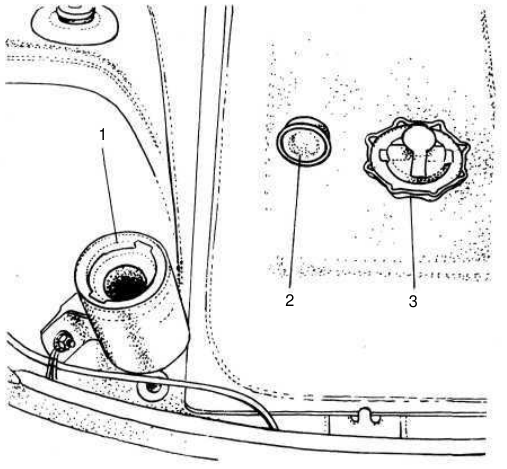
| 1 | Reservoir |
| 2 | Strainer |
| 3 | Cap, vented |
Reassembling wheel cylinders
Clean the metal parts thoroughly and dry off any solvent used. The rubber parts should be renewed automatically when servicing the cylinder. Wet the internal parts with clean brake fluid and reassemble them in the order shown in FIG 10:8.
Parts & tools for this job For 1957 Fiat 500 Classic
- PARTBrake padsSearch: Fiat 500 Classic 1957 brake pads
- TOOLBrake bleeder kitSearch: one man brake bleeder kit
- FLUIDBrake fluidSearch: brake fluid
Links open Amazon search results in a new tab. As an Amazon Associate I earn from qualifying purchases.