
General notes on brake fluid
- Make
- SEAT
- Model
- Mii
- Year
- 2011–2021
- Section
- Brake system: › General notes on brake fluid
General notes on brake fluid
Note
- Always use fresh brake fluid.
- In case of brake fluid spillage, rinse with a copious amount of water.
Warning
Before performing the first test drive, make sure that the brakes are operating correctly.
Warning
The brake fluid must not enter into contact at any time with liquids containing mineral oil (oil, petrol, cleaning products). Mineral oils damage covers and sleeves of brake system.
Brake fluid is toxic and should never be sucked by mouth using a flexible tube. Also, due to its corrosive nature, it should never enter into contact with paintwork.
Brake liquid is hygroscopic , this means that it absorbs humidity from the air, for this reason it should always be kept in sealed hermetic containers.
Observe all standards for disposal of waste.
The boiling point decreases as the water content increases, which means a considerable rise in brake fluid temperature can lead to formation of vapour bubbles and brake failure.
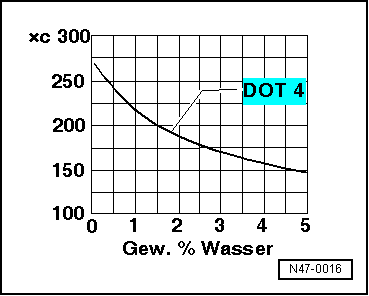
The colour of the brake fluid becomes darker over the course of time. At the same time, a dark-coloured liquid must not mean that the quality is bad. The change in colour is caused by chemical reactions and may occur within a short period (several weeks), particularly in vehicles equipped with ABS.
Warning
The rubber parts of the braking system (sleeves, seals) are not compatible with mineral oil, petrol or cleaning products.
Even minute quantities coming into contact with a seal or sleeve will affect the component and could impair brake operation. The consequences of a contaminated brake system only become apparent months later, and then give rise to greater expenses, particularly in vehicles equipped with ABS.
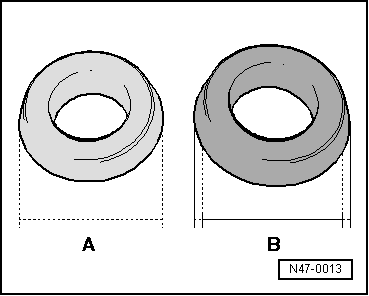
- Always keep brake fluid containers properly sealed. This is the only way to ensure that oil, dirt, cleaning products and humidity do not enter.
- Brake fluid containers should be kept completely separate from oils (including hydraulic fluid) and cleaning agents to prevent any mixture of fluids or even filling of the brake system with an incorrect fluid.
Maintenance Manual Maintenance Booklet KF1.
Parts & tools for this job For 2011 SEAT Mii
- TOOLBrake bleeder kitSearch: one man brake bleeder kit
- FLUIDBrake fluidSearch: brake fluid
- TOOLBrake line flaring toolSearch: brake line flaring tool
As an Amazon Associate we earn from qualifying purchases.