
Coolant requirements drain and refill
- Make
- Land Rover
- Model
- Defender 90 Workshop Manual (NAS)
- Section
- Adjustment › Coolant requirements drain and refill
COOLANT REQUIREMENTS DRAIN AND REFILL
Frost precautions and engine protection. Service repair no - 26.10.01
Cooling system MUST ALWAYS be filled and Drain topped-up with solution of water and anti-freeze, winter and summer. NEVER use water alone, this may corrode aluminium alloy.
CAUTION: Do not use salt water otherwise scalding could result. See coolant requirements corrosion will occur. In certain territories before refilling system. where only available natural water supply has some salt content use only rain or distilled water.
Recommended solutions
Anti-freeze: Universal anti-freeze or permanent type ethylene base, without methanol, containing a suitable inhibitor for aluminium engines and engine parts. See LUBRICANTS, FLUIDS AND CAPACITIES, Information, Anti-freeze
Use one part of anti-freeze to one part of water.
Anti-freeze can remain in the cooling system and will provide adequate protection for two years provided that specific gravity of coolant is checked before onset of second winter and topped-up with new anti-freeze as required.
Vehicles leaving factory have cooling system filled with 50% solution of anti-freeze and water. This gives protection against frost down to minus 36°C, minus 33°F. Vehicles so filled are identified by a label affixed to radiator.
NOTE: Should ambient temperatures be below that stated above refer to Anti-Freeze Data in Recommended Lubricants, Fluids and Capacities in Section 09. Instructions in chart must be strictly adhered to before driving vehicle.
After the second winter the system should be drained and thoroughly flushed. Before adding new anti-freeze examine all joints and replace defective hoses to make sure that the system is leakproof.
For protection quantities. See LUBRICANTS, FLUIDS AND CAPACITIES, Information, anti-freeze
- WARNING: Do not remove expansion tank
- filler cap when engine is hot. The cooling
- system is pressurised and personal
- Remove expansion tank filler cap by slowly turning it anti-clockwise. Pause to allow pressure to escape. Continue turning it in same direction and remove.
- Remove viscous coupling. See Repair, viscous coupling
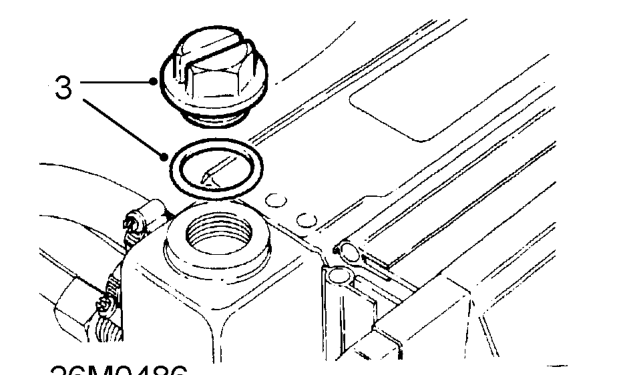
- Remove radiator filler plug and ’O’ ring to assist drainage.
- Position container to collect coolant spillage.
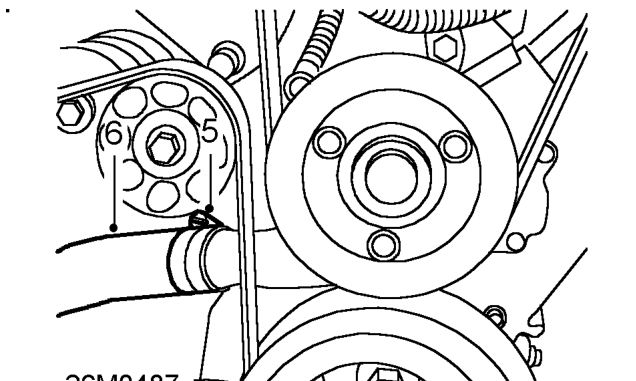
- Loosen clip securing hose to coolant pump.
- Release hose from coolant pump and allow coolant to drain.
Parts & tools for this job For Land Rover Defender
- FLUIDCoolantSearch: Land Rover coolant antifreeze
- PARTThermostatSearch: Land Rover Defender thermostat
- TOOLCooling system pressure testerSearch: cooling system pressure tester
Links open Amazon search results in a new tab. As an Amazon Associate I earn from qualifying purchases.