
Ignition timing compensation
- Make
- Rover
- Model
- 100 Repair Manual Supplement
- Year
- 1996–1998
- Section
- Description and operation › Ignition timing compensation
IGNITION TIMING COMPENSATION
Engine coolant temperature sensor

The engine coolant temperature (ECT) sensor is a ’thermistor’ (a temperature dependent resistor), i.e. the voltage output varies in proportion to temperature. The ECT sensor is located on top of the coolant outlet elbow. The ECM constantly monitors this signal and uses the information to provide optimum driveability and emissions by advancing or retarding the ignition timing.
Idle speed control
With the throttle pedal released and the engine at idle, the ECM uses the fast response of the engine to ignition timing to maintain idle stabilisation.
When loads are placed on or removed from the engine, the ECM responds to changes in engine speed and in conjunction with adjusting the idle air control (IAC) valve, advances or retards the ignition timing to maintain a specified idle speed. When load is removed from the engine the IAC valve returns to its original position and the ignition timing returns to the idle setting.
NOTE: Due to the sensitivity of this system the ignition timing will be constantly changing at idle speed.
IGNITION COMPONENTS
Ignition coil
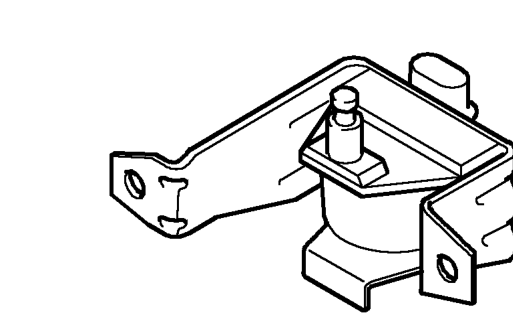
The coil for the programmed ignition system is mounted on the back of the engine. The coil has a lower primary winding resistance (0.63 to 0.77 ohms at 20°C) than a coil in a conventional ignition system. This allows the full h.t. output to be reached faster and so makes the coil operation more consistent throughout the engine speed range.
Parts & tools for this job For 1996 Rover 100
- PARTEngine gasket setSearch: Rover 100 1996 engine gasket set
- TOOLTorque wrenchSearch: 3/8 inch torque wrench
- TOOLFeeler gauge setSearch: feeler gauge set
Links open Amazon search results in a new tab. As an Amazon Associate I earn from qualifying purchases.