
Variable valve control (VVC)
- Make
- Rover
- Model
- Coupé, Cabriolet & Tourer 200/400 Coupé, Cabriolet & Tourer Workshop Manual Supplement
- Section
- Description and operation › Variable valve control (VVC)
VARIABLE VALVE CONTROL (VVC)
Hydraulic control unit (HCU)
Dependent on which solenoid is energised, a spool valve within the HCU dictates the position of the VVC mechanism.
Solenoids
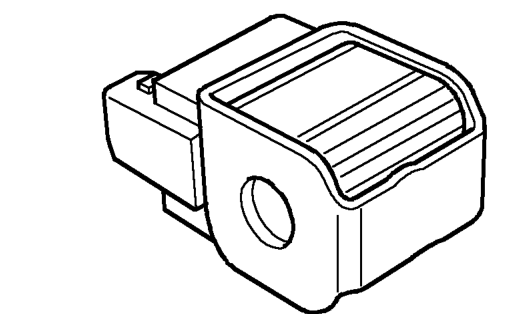
Variable valve control is determined by the ECM which energises a solenoid in order to control the VVC mechanism. Only one solenoid will be energised at a time to either drive the VVC mechanism towards minimum cam period, or towards maximum cam period. The desired cam period is calculated by the ECM using engine speed and manifold pressure (engine load). The current cam period is measured by the ECM using the camshaft position sensor. The ECM then energises the correct solenoid in order to move the mechanism towards the desired position.
Oil temperature sensor
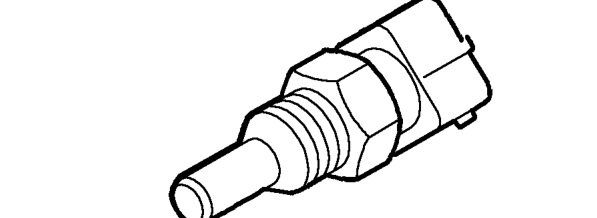
The oil temperature measured by the ECM is used to derive the viscosity of the oil passing through the hydraulic control unit which indicates how quickly the VVC mechanism will respond.
Fault detection
If the ECM detects any faults with cam period measurement (or the cam period does not match the value required) during start-up and initial running, the ECM will try to drive the mechanism to minimum cam period.
If the ECM loses the cam period signal during running, the cam period will remain frozen at the last valid period. Engine speed may be limited as low as 5500 rpm depending on the cam period when the fault occurred. The engine idle speed will be raised and will remain at this level for the rest of the journey. Camshaft period measurement faults can be identified using TestBook.
NOTE: A camshaft period measurement will only be recorded by the ECM if the fault is detected at start-up or during initial running.
Parts & tools for this job For Rover Coupé, Cabriolet & Tourer
- PARTEngine gasket setSearch: Rover Coupé, Cabriolet & Tourer engine gasket set
- TOOLTorque wrenchSearch: 3/8 inch torque wrench
- TOOLFeeler gauge setSearch: feeler gauge set
Links open Amazon search results in a new tab. As an Amazon Associate I earn from qualifying purchases.