
Ignition timing compensation
- Make
- Rover
- Model
- 800 Workshop Manual
- Year
- 1996–1999
- Section
- Description and operation › Ignition timing compensation
IGNITION TIMING COMPENSATION
Coolant temperature (ECT) sensor
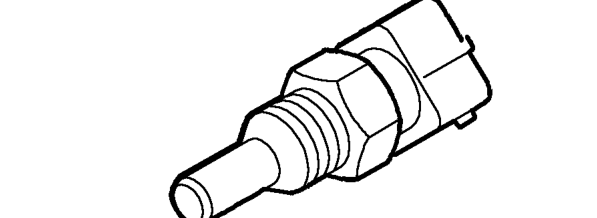
The engine coolant temperature sensor is a thermistor (temperature dependent resistor) whose voltage output varies in proportion to temperature. The ECM constantly monitors this signal and uses the information to provide fuel enrichment, increased idle speed and ignition timing for optimum driveability and emissions.
Idle speed control - KV6 engine
With the throttle pedal released and the engine is at idle, the ECM uses the fast response of ignition timing to maintain idle speed stabilisation.
When loads are placed on or removed from the engine, the ECM senses the change in engine speed and in conjunction with adjusting the idle air control valve (IAC), advances or retards the ignition timing to maintain the specified idle speed. When load is removed from the engine, the IAC valve returns to it’s original position and the ignition timing returns to the idle setting.
NOTE: Due to the sensitivity of this system the ignition timing will be constantly changing at idle speed.
Idle speed control - ’T’ series engine
With the throttle pedal released and the engine at idle, the ECM uses the fast response of ignition timing to maintain idle stabilisation.
When loads are placed on, or removed from the engine the ECM senses the change in engine speed and in conjunction with the opening of the throttle disc by the stepper motor, advances or retards the ignition timing to maintain a specified idle speed. When load is removed from the engine, the stepper motor returns to its original position and the ignition timing returns to the idle setting.
NOTE: Due to the sensitivity of this system the ignition timing will be constantly changing at idle speed.
Knock sensor - ’T’ series engine
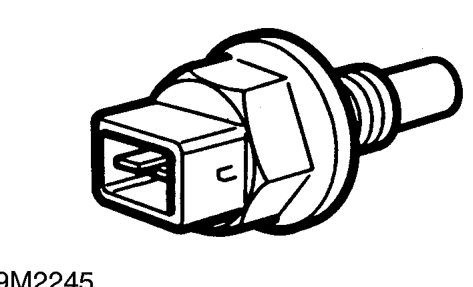
The knock sensor is a capacitive device mounted in the cylinder block between Nos 2 and 3 cylinders below the inlet manifold. The sensor monitors noise and vibration in the engine and passes the information to the ECM which is able to identify the characteristics of the knocking and make to necessary adjustments to the ignition timing of individual cylinders.
Parts & tools for this job For 1996 Rover 800
- PARTEngine gasket setSearch: Rover 800 1996 engine gasket set
- TOOLTorque wrenchSearch: 3/8 inch torque wrench
- TOOLFeeler gauge setSearch: feeler gauge set
Links open Amazon search results in a new tab. As an Amazon Associate I earn from qualifying purchases.